Good Experimental Practice Training 2026
Master regulatory requirements, protocol design, data quality, statistical analysis and field efficacy assessment.
Run reliable, traceable and compliant trials
The course connects documentary requirements with field decisions, from protocol design to the final report.
- Understand the regulatory framework and GEP responsibilities
- Build protocols suited to biological and statistical objectives
- Improve scoring, data collection, traceability and quality control
- Analyse and interpret results rigorously
- Calibrate equipment and assess efficacy and selectivity in the field
Five days covering the complete experimental chain
Structured learning, case studies, exercises, data analysis and practical applications.
GEP framework
Requirements, responsibilities, safety, traceability and quality control.
Protocols & scoring
Designs, controls, replicates, parameters and assessment methods.
Statistics
Analysis selection, interpretation and validation of conclusions.
Certificate
A training attendance certificate is issued after the course.
Detailed programme — 7 to 11 October 2026
Indicative times: 09:00–13:00 and 14:30–18:30.
| Day | Morning | Afternoon |
|---|---|---|
| Day 1 Wednesday 7 Oct. |
GEP legislation and regulationFramework, requirements, responsibilities and specifications. |
Plant protection risk managementStorage, handling, PPE, waste and traceability. |
| Day 2 Thursday 8 Oct. |
Scoring and data collectionScoring methods, measurement reliability and collection tools. |
Statistical analysisExperimental designs, software and interpretation. |
| Day 3 Friday 9 Oct. |
Result interpretationValidation, comparisons and scientific conclusions. |
Case studiesAnalysis of real trials and problem solving. |
| Day 4 Saturday 10 Oct. |
PPP efficacy assessmentEfficacy, selectivity and applicable standards. |
Protocol designVariables, controls, replicates, rates and timing. |
| Day 5 Sunday 11 Oct. |
Calibration and applicationSpray calculation, equipment calibration and optimisation. |
Final assessmentLearning validation, summary and certificates. |
Day 1 — 7 October
Morning: GEP regulation
Framework and responsibilities.
Afternoon: Risk management
Storage, PPE, waste and traceability.
Day 2 — 8 October
Morning: Scoring and collection
Methods and data reliability.
Afternoon: Statistics
Designs and interpretation.
Day 3 — 9 October
Morning: Interpretation
Validation and conclusions.
Afternoon: Cases
Real trial analysis.
Day 4 — 10 October
Morning: PPP efficacy
Parameters and selectivity.
Afternoon: Protocols
Variables, controls and replicates.
Day 5 — 11 October
Morning: Calibration
Equipment and spray calculations.
Afternoon: Final assessment
Summary and certificates.
Who should attend?
Professionals who design, implement, supervise or use agricultural trials.
Engineers & technicians
Agronomists, field technicians, R&D and quality managers.
GEP organisations
Trial teams, organisations seeking approval and trial providers.
Researchers
Professionals seeking stronger protocols and higher-quality data.
What is included
Final arrangements are confirmed with each participant when registration is validated.
Training materials
Documents, templates and tools used during the course.
Lunch & breaks
Lunch and two coffee breaks per day.
Certificate
Attendance certificate provided at the end of the course.
OFPPT
Funding of up to 40% may be available subject to eligibility.
A fourth edition built on the experience of previous sessions
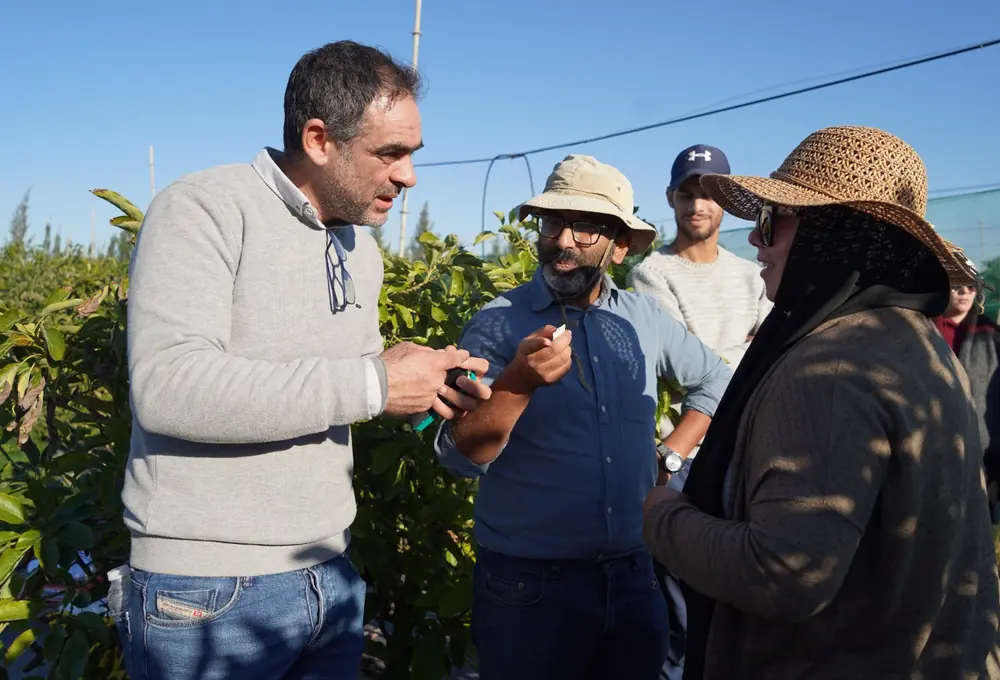
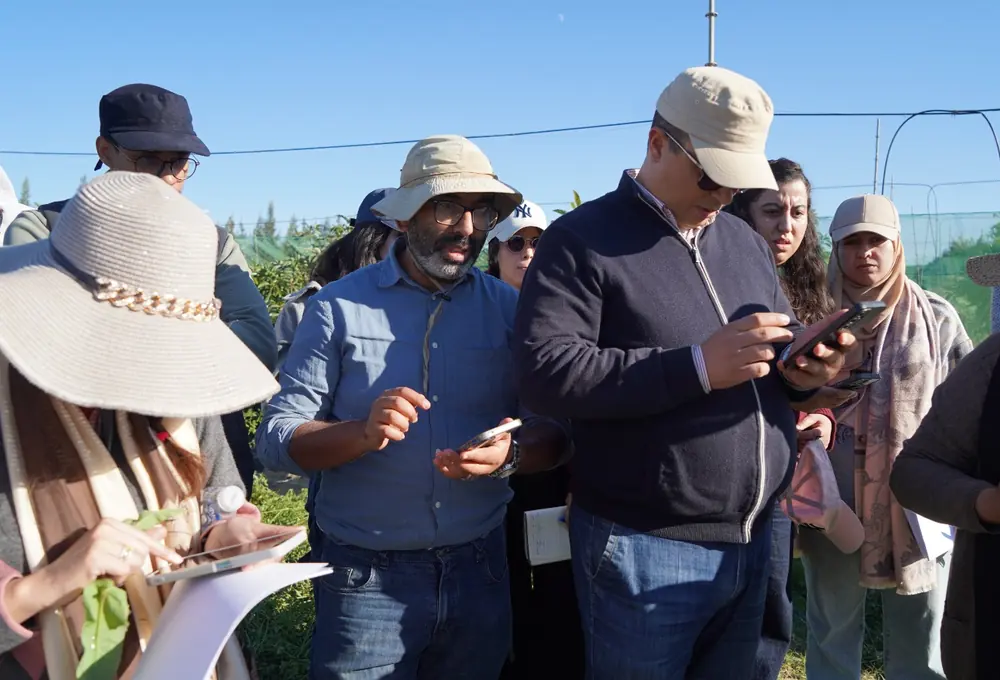
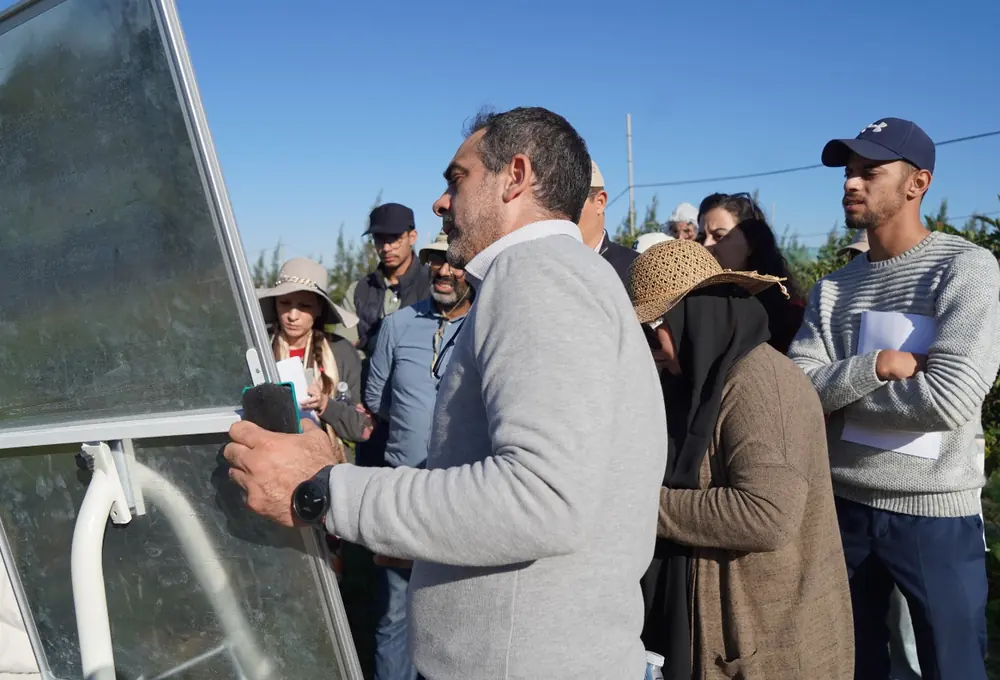
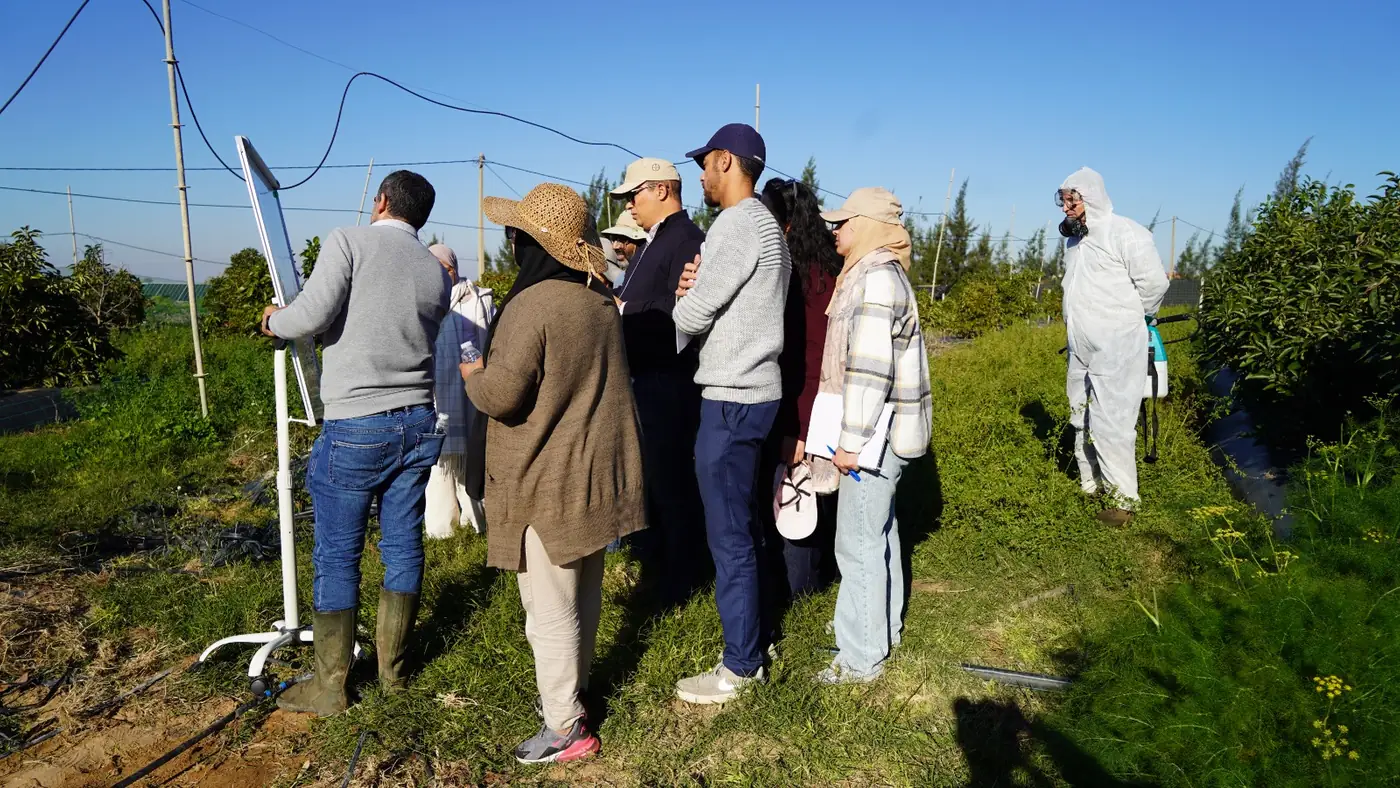
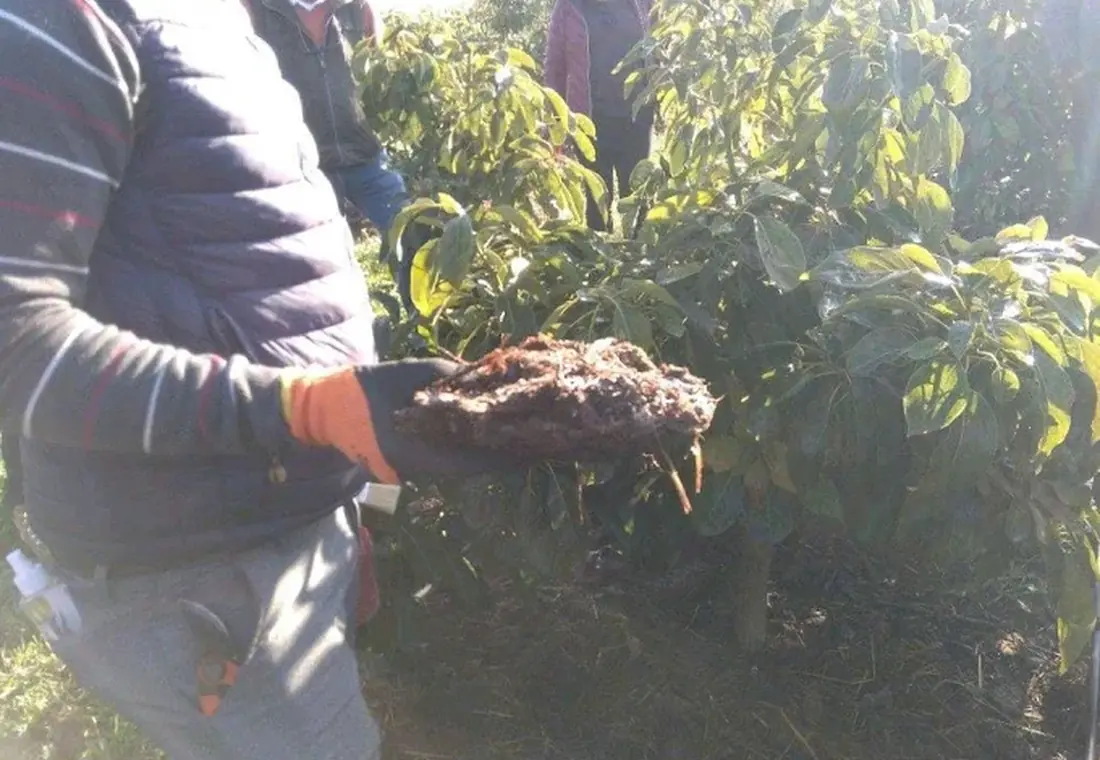
Explore the development of the programme, completed editions and photographs of practical activities.